
Find your everyday fit.
Compare our product lineup and choose the setup that fits your routine.
Scroll across to compare all models
| Find your fitModels: 3 |

XW-06Wrist Blood Pressure Monitor View product |

XB-01Upper-Arm Blood Pressure Monitor View product |
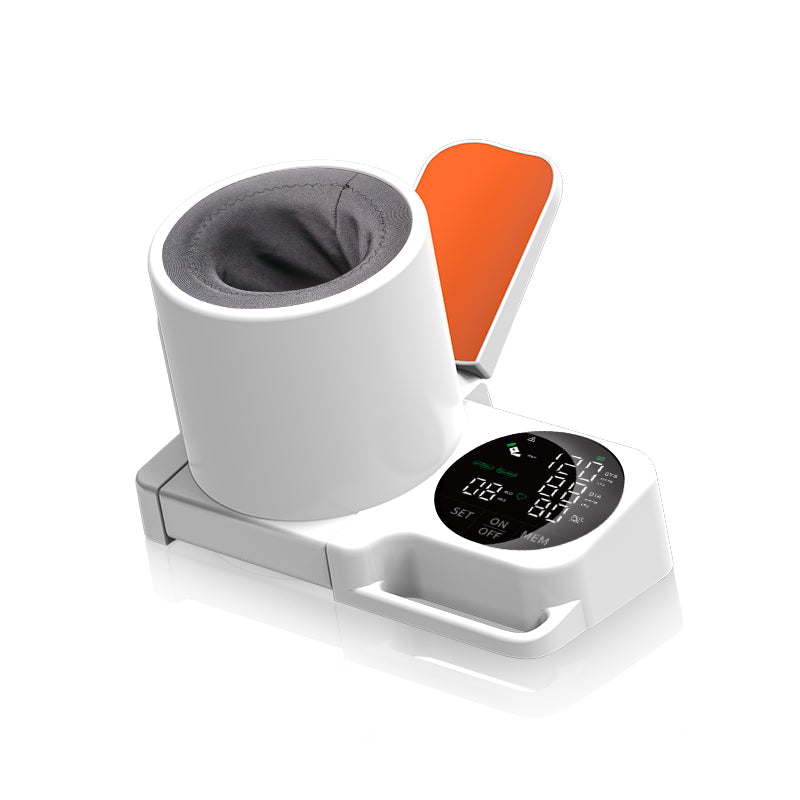
DP-02Arm-Cylinder Blood Pressure Monitor View product |
|---|---|---|---|
| Product PositioningDifferent | Compact and portable for convenient measurement anytime | A balanced choice for everyday home monitoring | A simpler, user-friendly solution for routine home measurement |
| Measurement SiteDifferent | Wrist | Upper arm | Upper arm |
| How It WorksDifferent | An inflatable wrist cuff applies pressure to the wrist artery. Oscillometric technology detects pulse oscillations to calculate systolic pressure, diastolic pressure, and pulse rate. | An inflatable cuff wraps around the upper arm. Oscillometric technology detects pressure oscillations to calculate systolic pressure, diastolic pressure, and pulse rate. | Place the upper arm into the integrated arm cylinder. The device automatically inflates and uses oscillometric technology to measure blood pressure and pulse rate. |
| How to Wear / UseDifferent | Wrap the integrated cuff directly around the wrist | Wrap the separate cuff correctly around the upper arm | Place the arm directly into the integrated arm cylinder; no separate cuff wrapping required |
| Ease of UseDifferent | Easy, but wrist positioning is more sensitive during measurement | Straightforward; correct cuff placement is required | Very intuitive, with fewer cuff-wrapping steps |
| Measurement PostureDifferent | Keep the wrist at heart level; remain still and do not talk | Sit steadily with the upper arm relaxed and supported at heart level | Sit steadily, place the arm naturally into the arm cylinder, keep it supported and remain still |
| PortabilityDifferent | ★★★★★ Excellent | ★★★★☆ Very Good | ★★☆☆☆ Best for a fixed home location |
| Storage ConvenienceDifferent | Compact size, convenient for carrying | Main unit + cuff; suitable for home storage or travel | Integrated design with a larger footprint; ideal for long-term tabletop placement |
| Typical Use ScenariosDifferent | Travel, business trips, office use, quick measurements | Everyday home use, regular blood pressure tracking, family health monitoring | Fixed home monitoring, routine use by older adults, frequent use by multiple family members |
| Ideal UsersDifferent | Users who prioritize portability, travel frequently, or want quick and convenient measurements | Most home users and those who prefer a standard upper-arm measurement method | Older adults, users with limited hand dexterity, and those who prefer fewer cuff-placement steps |
| Key AdvantagesDifferent | Compact & portable / One-touch measurement / Large display | Upper-arm measurement / Adjustable cuff / Flexible home use | Integrated arm cylinder / Fewer setup steps / Large easy-to-read display / Tabletop design |
| Things to ConsiderDifferent | Wrist position can significantly affect readings. Follow the instructions carefully and keep the wrist at heart level. | Correct cuff size and placement are important. A cuff that is too loose, too tight, or incorrectly sized may affect measurements. | Requires more space than compact monitors; correct sitting posture and arm position should still be maintained according to the instructions. |
| Best Choice ForDifferent | Best for Portability | Best for Everyday Home Monitoring | Best for Easy Home Use |
| Website Short LabelDifferent | Portable & Compact | Reliable Everyday Monitoring | Easy Arm-In Measurement |
| Recommended by ScenarioDifferent | Travel & portability ★★★★★ Fixed home use ★★★☆☆ |
Travel & portability ★★★★☆ Fixed home use ★★★★★ |
Travel & portability ★★☆☆☆ Fixed home use ★★★★★ |
Build your comparison
Add a model above, or restore the full lineup to see your options side by side.
Follow the instructions for your model. Correct cuff placement and arm or wrist position matter when taking a reading.
Compare the format, power options and model specifications. Read oxygen concentration together with its flow setting.
Scroll across to compare all models
| Find your fitModels: 3 |

ZY-01Home Oxygen Concentrator $399.99 View product |

ZY-05Home Oxygen Concentrator $578.00 View product |

SJ-OX1CPortable Oxygen Concentrator $999.00 View product |
|---|---|---|---|
| Best ForDifferent | Home setup | Higher-flow home setup | Portable & in-car setup |
| Oxygen ConcentrationDifferent | ≥90% at 1 L/minAt the maximum recommended flow. | ≥90% at 1–5 L/minAt zero outlet back pressure, after startup. See conditions below. | 93% ±3% at 1 L/minConcentration decreases as flow increases. |
| Flow RangeDifferent | 1 L/minMaximum recommended flow, not the full adjustment range. | 1–5 L/minMaximum recommended flow: 5 L/min. | 1–6 L/minAdjustable continuous flow. This is not a high-concentration rating at 6 L/min. |
| WeightDifferent | Weight not yet verified for this versionConfirm the supplied version. | Weight not yet verified for this versionConfirm the supplied version. | Weight not yet verified for this versionConfirm the device and battery package. |
| Power / MobilityDifferent | Plug-in Home Use | Plug-in Home Use | AC, compatible car power or batteryConfirm the included adapters and battery package. |
| PortabilityDifferent | Tabletop format | Wheeled base | Shoulder-bag format |
| Typical UseDifferent | Home | Home | Home / Car |
| Why Choose ItDifferent | Compact home setup with a readable display. | Adjustable flow with a wheeled base. | Portable format with several power options. |
Build your comparison
Add a model above, or restore the full lineup to see your options side by side.
Read concentration and flow together. Figures above are from the model manuals and depend on operating conditions. They are not a recommendation for your oxygen settings. For medical suitability, follow your healthcare professional's guidance. A dash means the supplied version needs confirmation; it is not zero and is excluded from difference highlighting.
Flow conditions & model guidance
ZY-01: ≥90% applies at the maximum recommended flow of 1 L/min. Do not assume the same concentration at higher settings. The manual describes approximately 30 minutes of startup to reach maximum concentration.
ZY-05: The manual states ≥90% up to the maximum recommended flow of 5 L/min at zero outlet back pressure, reaching the specified concentration within 30 minutes of initial startup. Its ZY-05 graph covers 1–5 L/min. Altitude and operating conditions affect concentration.
SJ-OX1C: The manual specifies 93% ±3% at 1 ±0.2 L/min and 30% ±5% at 6 ±0.5 L/min. The adjustable flow range is not a guarantee of high concentration at every setting. Battery and car-power accessories depend on the package. Confirm compatibility before ordering; no single battery runtime is promised here.
These startup times describe equipment operation, not a treatment duration. Compare the figures with the manual and label supplied with your unit. Weight is not quoted while supplied-version details remain unconfirmed.
ZY-01 English manual (PDF, opens in a new tab) · ZY-05 English manual (PDF, opens in a new tab) · Confirm the SJ-OX1C manual and package
Questions about the device or package? Contact our product support team.
Compare WH-02, WH-03 and YS-37 using the updated Ziqing product specifications.
Scroll across to compare all selected models
| Find your fitModels: 3 |
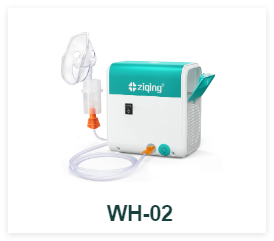 WH-02Compressor Nebulizer $69.99 View product |
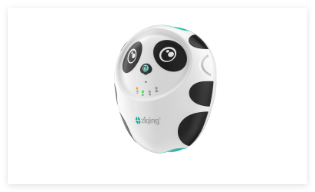 WH-03Compressor Nebulizer Ask about model |
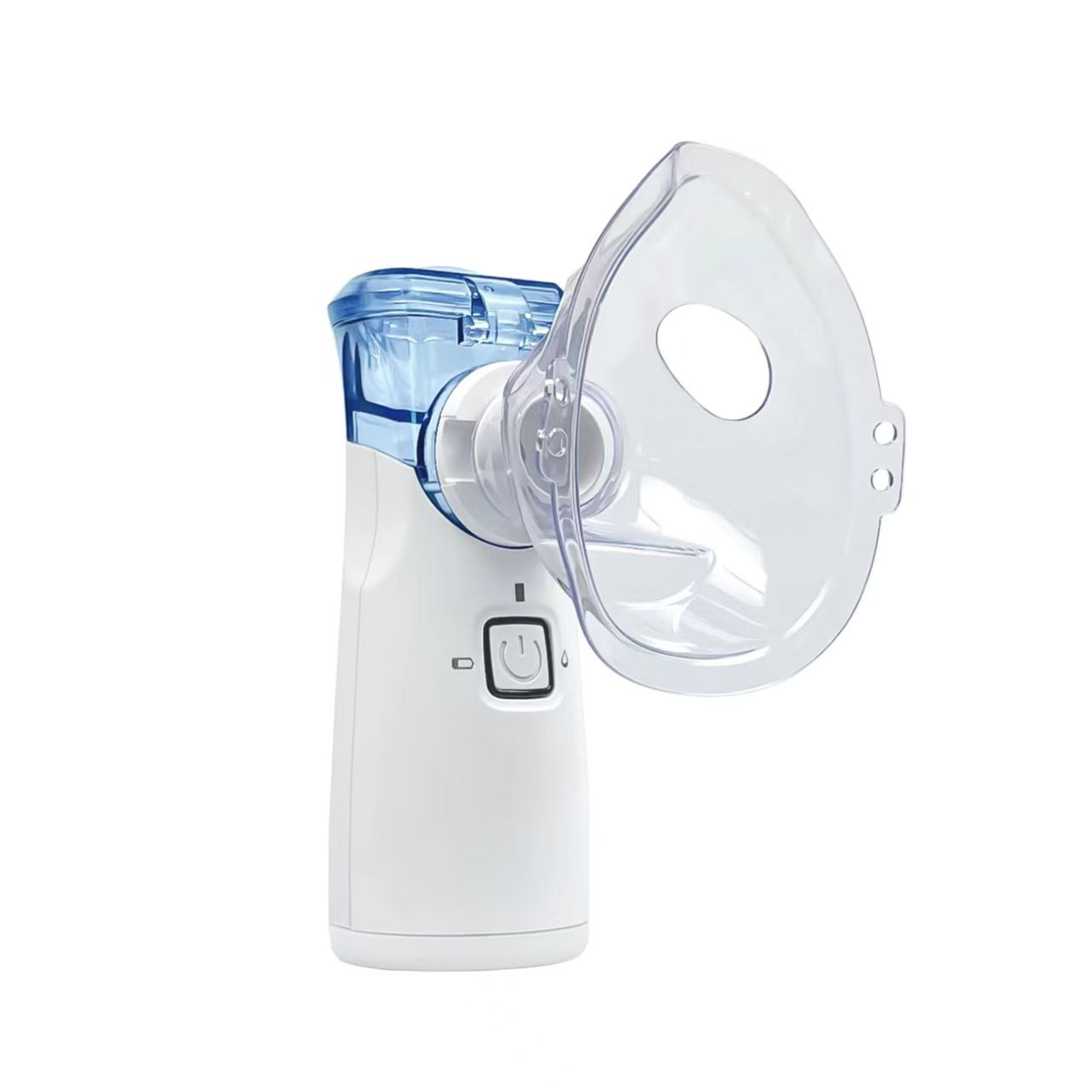 YS-37Handheld Nebulizer $29.98 View product |
|---|---|---|---|
| Product PositioningDifferent | Home-use compressor nebulizer with accessory storage | Compact compressor nebulizer with timer/voice features | Lightweight handheld option designed for portability |
| Working PrincipleDifferent | Compressor-driven aerosolization | Compressor-driven aerosolization | Piezoelectric mesh vibration atomization |
| Nebulization RateDifferent | 0.32mL/min | 0.22mL/min | ≥ 0.20 mL/min |
| Particle SizeDifferent | MMAD 2.6 μm ±25% | Median diameter 3.7 μm ±25%; particles <5 μm ≥60% | Fog particle median diameter 5 μm ±25% |
| NoiseDifferent | ≤55 dB | ≤50 dB(A) | ≤38 dB(A) |
| Airflow OutputDifferent | 6 L/min | ≥4.5 L/min | Not applicable (mesh technology) |
| WeightDifferent | ≤1.5 kg | ≤0.3 kg | Not clearly specified in the supplied manual |
| DimensionsDifferent | Approx. 168 × 108 × 180 mm | 143 × 128 × 77.6 mm | 45 × 45 × 115 mm |
| Power / MobilityDifferent | AC powered (manual lists AC220V / AC110V versions) | AC100–240V, 50/60Hz | 2×AA batteries / optional 3.7V lithium battery / Type-C mobile charger |
| Continuous Working TimeDifferent | Not clearly specified | ≥60 minutes under suitable conditions | Approx. 20-minute cycle before automatic stop |
| Medication Capacity / ResidueDifferent | Liquid residue ≤1.2 mL | Liquid residue ≤1.2 mL | Recommended fill 0.5–8 mL |
| Ease of UseDifferent | Simple power-switch operation; built-in storage chamber | Simple operation with timing function and voice output | Handheld one-button operation; mask or mouthpiece use |
| PortabilityDifferent | ★★☆☆☆ | ★★★★☆ | ★★★★★ |
| PracticabilityDifferent | ★★★★★ | ★★★★☆ | ★★★★☆ |
| Typical Use ScenariosDifferent | Home / clinic / fixed-location use | Home / travel-friendly tabletop use | Travel / office / home / on-the-go use |
| Ideal UsersDifferent | Users who prefer a traditional compressor nebulizer for regular use | Users who want a lighter compressor model with timer features | Users who prioritize compact size, low noise and portability |
| Key AdvantagesDifferent | Stable compressor system / Accessory storage / Simple operation | Lightweight / Timer function / Voice output / Wide-range power supply | Compact / Quiet / Battery or Type-C power / No air tube required |
| Things to ConsiderDifferent | Replace the atomizing components | Replace the atomizing components | Mesh plate requires careful cleaning and maintenance |
| Best Choice ForDifferent | Best for Regular Home Use | Best for Compact Compressor Use | Best for Portability & Quiet Use |
| Website Short LabelDifferent | Reliable Home Nebulization | Compact & Feature-Rich | Portable & Quiet |
Build your comparison
Add up to three models above, or restore the default selection.
Reading this comparison. A dash means a specification has not yet been verified for that model, not that the feature is absent. Missing values are excluded from difference highlighting. The incomplete WH-05 and YS-35 power entries are also excluded. Ask our team for model-specific details before choosing. Contact our product support team
WH-02 test conditions & model guidance
Source: Ziqing's updated product comparison. WH-02 nebulization rate (0.32 mL/min) and noise (≤55 dB) are customer-confirmed actual measurements. The original WH-02 manual lists approximately 0.16 mL/min and ≤65 dB; it has not been modified. Test conditions for the updated measurements were not provided, so the manual's test conditions are not attributed to these values.
Specifications and portability/practicability ratings are supplied by Ziqing, not an independent performance ranking. Confirm the exact version, power supply and accessories for your device. Unspecified values are not counted as verified differences.
Questions before you choose?
Tell us which models you are considering and how you plan to use them. Our team can help with product details, setup and accessories.
Talk to our teamHow do I change the models in my comparison?
Use the model selector at the top of a column. The picture and every feature in that column update together. If a model is already selected, the two columns exchange places.
What does “Only show differences” do?
It shows rows with different verified information for at least two selected models. Unverified values do not count as differences. Turn this view off to see every field, including any specifications still needing confirmation.
How do I check whether a cuff will fit?
Use the fitting instructions and size information for the exact model. Contact our team if you need help locating the right product information before ordering.
Need help after your purchase?
Contact our team with your order number, product model and a description of the issue. Our staff will help with after-sales support and discuss any return or refund request with you. Talk to our team
Product questions, answered
Oxygen concentrators
How does an oxygen concentrator work?
An oxygen concentrator draws in ambient air and uses components such as molecular sieves to separate nitrogen, delivering oxygen-enriched gas. Flow range and oxygen concentration vary by model.
How do I choose the right oxygen concentrator?
Consider oxygen flow, oxygen concentration, weight, power source, portability and where you plan to use it. For prescribed oxygen or medical use, follow the advice of a qualified healthcare professional.
Is the oxygen concentration the same at every flow setting?
Not always. Oxygen concentration may vary depending on the model and selected flow setting. Please check the specifications for the specific Ziqing model before use.
Does an oxygen concentrator require regular maintenance?
Yes. Follow the product manual to inspect and clean filters, humidification components and accessories as required to help maintain normal operation.
What should I do if the oxygen output seems abnormal?
Check the power supply, filters, tubing connections and accessories first. If the issue continues, stop using the device and contact Ziqing technical support.
Nebulizers
What is the difference between a compressor nebulizer and a handheld mesh nebulizer?
A compressor nebulizer uses compressed air to create aerosol, while a mesh nebulizer uses a vibrating mesh. Mesh models are generally more compact and quieter for portable use.
How should I choose between WH-02, WH-03 and a handheld nebulizer?
For regular home use, WH-02 is a practical compressor option. WH-03 offers a more compact compressor design, while a handheld mesh nebulizer is better suited to users who prioritize portability and quiet operation.
Why is nebulized particle size important?
Particle size is an important performance specification of a nebulizer. Particle distribution varies by model, so refer to the MMAD or particle-size information listed for the specific product.
Do the nebulizer cup, mask and mouthpiece need to be cleaned?
Yes. Clean the applicable accessories after use according to the product manual and allow them to dry completely before storage.
Can I put any liquid into the nebulizer?
No. Do not use liquids that are not confirmed as suitable for the device. For medications or other solutions, follow the product instructions, medication directions and guidance from a healthcare professional.
Blood pressure monitors
What is the difference between wrist, upper-arm and arm-in blood pressure monitors?
They mainly differ in measurement position, cuff design, portability and user experience. Wrist models are compact, upper-arm models use a cuff around the arm, and arm-in models offer an integrated cuff design for convenient operation.
How do I choose between XW-06, XB-01 and DP-02?
Choose XW-06 if portability is a priority, XB-01 for everyday upper-arm home monitoring, or DP-02 if you prefer an integrated arm-in design for fixed-location use.
Why are my blood pressure readings different when I measure several times?
Blood pressure can vary with posture, activity, emotions, measurement interval and cuff position. Follow the manual and measure under consistent, relaxed conditions.
What is the correct posture for measuring blood pressure?
Sit with your back supported, keep both feet flat, remain quiet and avoid moving or talking. Support the measuring arm and follow the positioning instructions for your specific device.
Can a home blood pressure monitor replace a medical diagnosis?
No. Home blood pressure monitors are intended to support routine monitoring and should not be used alone to diagnose a condition or change treatment. Consult a healthcare professional if readings remain unusual or you feel unwell.
Fetal dopplers
What is a home fetal doppler used for?
A home fetal doppler can help users listen to or display fetal heart-related information, depending on the model. It does not replace professional prenatal examinations.
What is the difference between TX-01, TX-02 and TX-05?
The models differ in display, operation and connectivity. Some provide digital or waveform displays, while TX-05 includes Bluetooth/App-related functionality. Check each product page for exact features.
Why might I have difficulty finding a fetal heart signal?
Fetal position, gestational stage, probe placement and operating technique can affect signal detection. Follow the manual carefully and do not make medical conclusions based on a single home-device reading.
Can a home fetal doppler replace prenatal checkups?
No. A home fetal doppler cannot replace ultrasound examinations, prenatal checkups or professional medical assessment.
What should I do if I cannot find a fetal heart signal?
Recheck the operating steps and probe position according to the manual. If you have any concerns about pregnancy or fetal health, contact a qualified healthcare professional promptly.
Hearing aids
How do hearing aids help with hearing?
Hearing aids use microphones to capture sound, process and amplify it, and deliver the adjusted sound to the ear. Features vary by model.
Why does sound feel unusual when I first wear hearing aids?
It can take time to adapt to hearing more environmental sounds. Start gradually and adjust volume or settings according to the product instructions and your listening needs.
Can I use the same settings for both ears?
Not necessarily. Hearing needs can differ between the left and right ear. If personalized adjustment is needed, refer to a hearing assessment or consult a hearing-care professional.
Why does my hearing aid sometimes whistle?
Whistling can be caused by an improper fit, unsuitable ear-tip size, high volume or acoustic feedback. Try refitting the device, checking the ear tip or adjusting the settings.
How should I clean and maintain my hearing aids?
Regularly clean the ear tips, sound outlet and device body, and keep the device dry. Earwax and moisture buildup may affect sound output and performance.